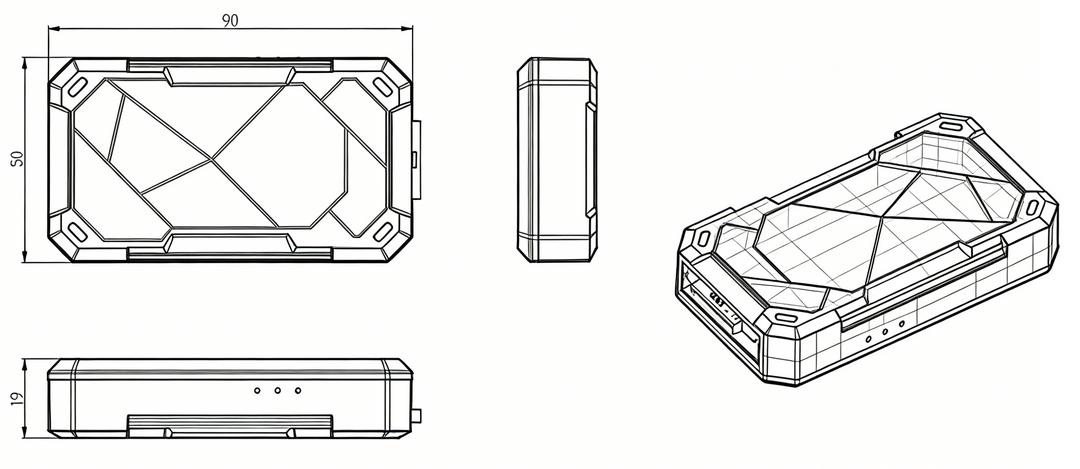
KG-27
Vehicle tracker with industrial I/O
For fleet and industrial equipment projects needing a 9–90 V supply, serial interfaces and optional LoRa sensor integration.
- Operating supply
- 9–90 V DC
- Main connection
- 30-pin
Fleet & asset tracking
Compare cellular GNSS tracking devices for vehicle integration and battery-powered asset tracking. Choose by power supply, interfaces, installation and reporting requirements.
Vehicle tracker with industrial I/O
For fleet and industrial equipment projects needing a 9–90 V supply, serial interfaces and optional LoRa sensor integration.
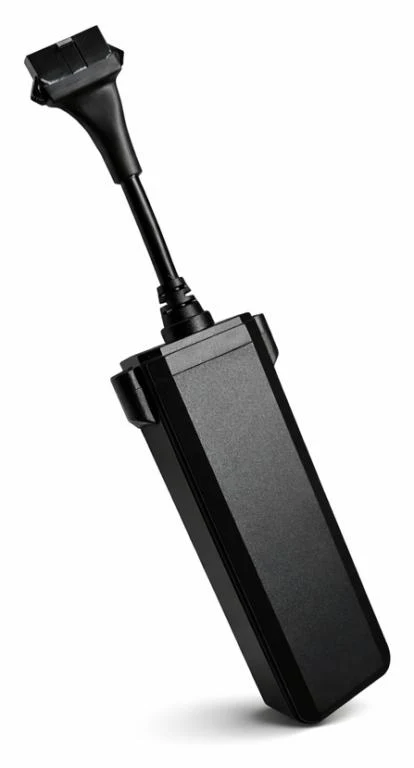
Low-power wired vehicle tracker
For wired vehicle tracking projects with a 9–90 V supply, a 7-pin connection and mode-dependent low-power operation.
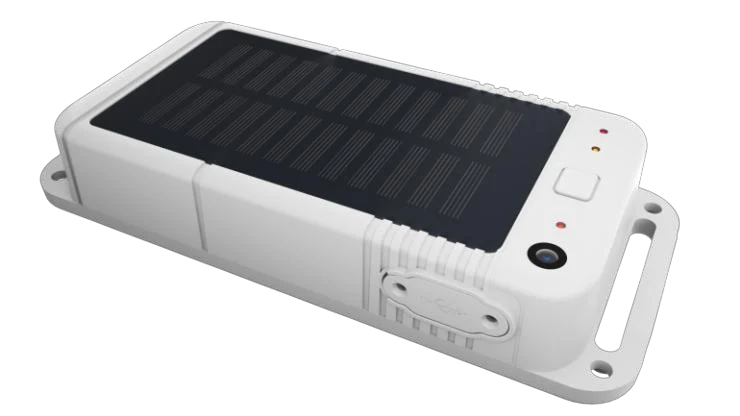
Solar-assisted asset tracker
For battery-powered asset projects where magnetic mounting and solar-assisted charging can be evaluated against the reporting schedule and installation conditions.
| Hardware specifications | KG-27 | KG-22 | EG06G |
|---|---|---|---|
| Cellular technology | 2G + 4G Cat.1 | 4G Cat.1 | 4G Cat.1 |
| Operating supply | 9–90 V DC | 9–90 V DC | 3.2–4.2 V DC |
| Battery / backup battery | 400 mAh / 3.7 V | 55 mAh / 3.7 V | 7,500 mAh / 3.7 V |
| Assembly dimensions | 90 × 50 × 19 mm | 158 × 42 × 17 mm | 157 × 70 × 26.5 mm |
| Weight | 75 g | 51 g | 310 g |
Choose a tracking device by reporting interval, power mode and installation requirements. Positioning accuracy is specified in CEP.
Choose the deployment format before comparing individual specifications. Power, reporting and data integration need to be planned together.
KG-27 combines a wired 9–90 V DC supply with a 30-pin connection and 1-wire, RS485, RS232 and ADC interfaces. Start with the equipment signals and sensor data your project needs, then define the interface mapping, reporting schedule and receiving platform. The LoRa sensor option should be selected against the actual sensors and radio configuration.
KG-22 is a wired 4G Cat.1 vehicle tracker with a 9–90 V DC input and a 7-pin connection. Its installation plan should cover the vehicle supply, required input functions and reporting mode. Allow for both the housing and harness when checking the mounting area; the 158 mm assembly length includes the harness, while the housing length is 90.5 mm.
EG06G combines a rechargeable 7,500 mAh battery with magnetic mounting and solar-assisted charging for asset tracking. Plan the reporting interval and access for charging alongside the mounting position. The solar input is listed as 6 V / 90 mA maximum; actual charging depends on sunlight, panel exposure and the deployment conditions.
Name the destination country, operator and SIM arrangement. Match the selected hardware variant to the required cellular bands and test registration and reporting on the intended network.
Define the available supply, update interval and sleep/wake behavior. Evaluate energy use over that operating cycle; compare current specifications only when supply voltage and operating mode match.
Provide the receiving platform, required data fields and server connection requirements. Agree the protocol, configuration process and sample acceptance tests before planning a wider deployment.
Send the mounting location, harness or charging access, required interfaces, sample quantity and planned rollout volume. Include installation conditions so the proposal covers the complete deployment rather than the tracker alone.
Use the differences below to narrow the hardware choice, then evaluate a sample with the intended network and platform.
Define the hardware, SIM/data plan, platform access and any recurring charges separately in the quotation. Share your existing platform and connection requirements so the proposed scope includes the services and configuration you actually need.
Select the cellular hardware version against the destination operator’s bands, SIM and deployment requirements. Review any required approvals for the destination market and test the chosen version on the intended network before rollout.
These devices list positioning accuracy as <2.0 m CEP, not RTK centimeter-level positioning. Reception and installation affect field results. If your project requires survey-grade positioning, discuss the receiver and antenna system separately.
Compare KG-22 for a wired vehicle installation, KG-27 when serial or sensor interfaces are needed, and EG06G for a battery-powered magnetic installation with solar-assisted charging. Then match the reporting schedule, network and platform requirements to the selected model.
Get a Quote
Tell us the destination country, mobile operator, reporting interval, platform requirements and quantity to request a project quote.