Narrow device layouts
If your terminal has an elongated antenna area, compare a rectangular element with the available layout. Include neighboring components and the intended cable exit in the installation drawing.
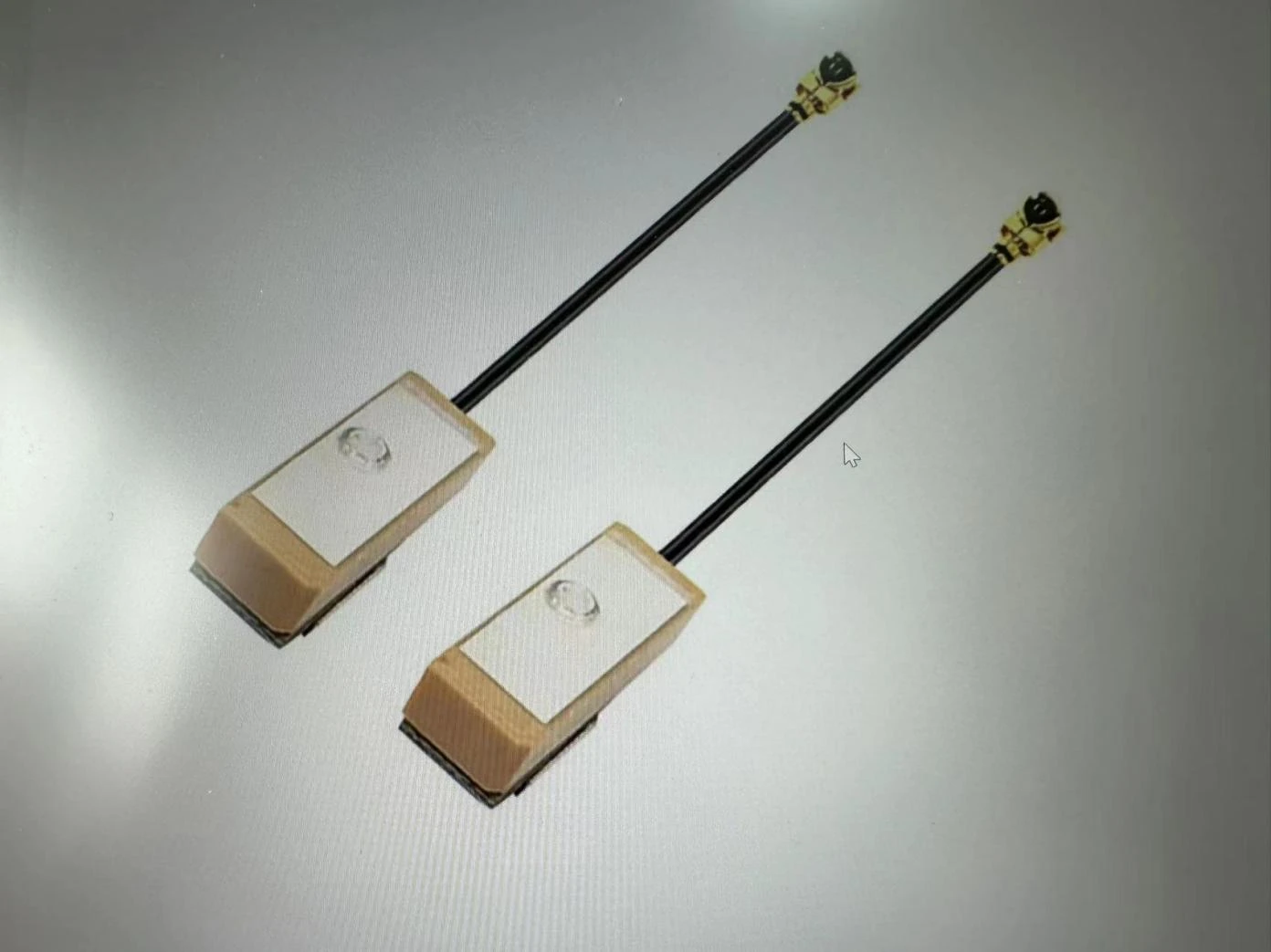
Ceramic patch antennas
A narrow rectangular GPS antenna for integration into positioning devices.
WL-GPSI6166: 1575.42 MHz. The narrow rectangular format gives you a different layout option from a square GPS patch. In a device with an elongated antenna area, review the antenna orientation, neighboring components and route back to the receiver. Send the proposed layout with your required frequency and connector details to discuss this model or compare it with WL-GPSI6204.
| Frequency | 1575.42 MHz |
|---|---|
| Impedance | 50 Ω |
| Polarization | RHCP |
| VSWR | <1.5 |
| Connector family | I-PEX / IPEX |
| Operating temperature | −30°C … +70°C |
Planning a positioning product? Use the project examples below to define the receiver, antenna location and connection you need.
If your terminal has an elongated antenna area, compare a rectangular element with the available layout. Include neighboring components and the intended cable exit in the installation drawing.
When planning GPS inside a handheld terminal, review the rectangular antenna position separately from the receiver-board position. Provide the enclosure shape and typical operating orientation with the project brief.
Provide the receiver model and required signals. Review the antenna connection and receiver antenna-port requirements together with the frequency selection.
Share the intended antenna orientation, enclosure material and nearby metal parts. Evaluate reception in the assembled device, including its normal operating position.
Include the board layout and ground-plane arrangement in the installation review. Keep nearby electronics and radio transmitters in the same drawing rather than reviewing the antenna in isolation.
Specify the exact mating connector and required cable route. Allow access for assembly and include the space needed for the connection when checking the installed envelope.
Start with the receiver’s required frequencies, then compare the antenna format and the space available inside your device.
Compare a narrow rectangular GPS format when your planned antenna area is elongated rather than square.
Compare the square GPS patch layout with your antenna location, board connection and cable access.
Review the GPS and BeiDou frequency points when the receiver project calls for both requirements.
1575.42 MHz. Start with the signals required by your receiver. Share its model and signal list with your inquiry so frequency coverage can be matched to the antenna selection.
Send the mating connector part number or a clear board-connector drawing, together with the required cable route. The I-PEX / IPEX family name alone does not identify the exact mating pair.
Review antenna orientation, nearby metal, the board and cable access together. Assess reception with the device assembled in its intended operating position, not only with the antenna on a bench.
Include the antenna model, receiver, required signals, installation drawing, connector and cable requirements, and evaluation or order quantity. Add your target schedule so the team can discuss the project with you.
Get a Quote
Tell us the antenna model, receiver, required frequencies, connector and cable requirements, and order quantity to request a quote.